

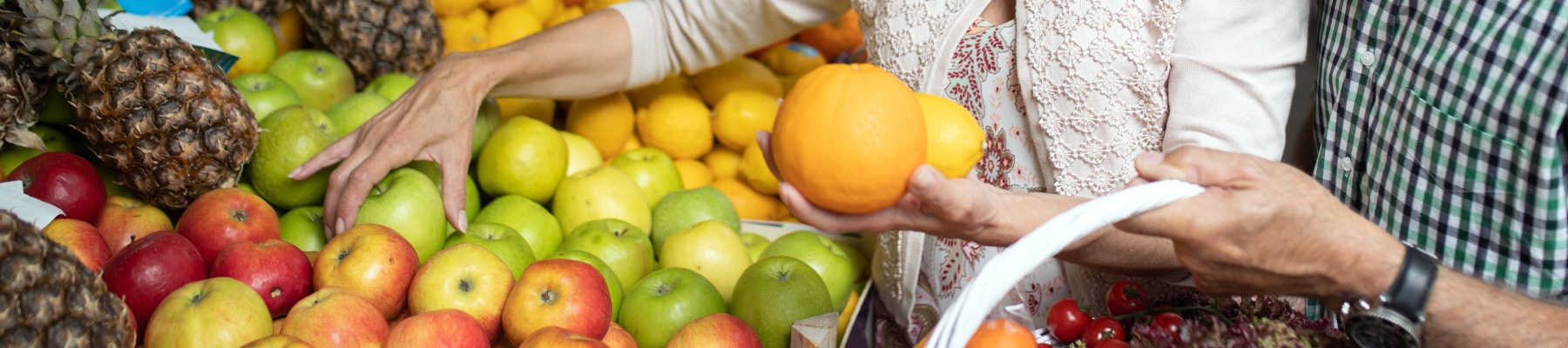
As we get older, our digestive system begins to slow down. This can bring up new health challenges, such as constipation and the inability to absorb nutrients effectively. From a decline in enzyme production to a decrease in muscle contraction in the digestive tract, your body can’t digest food the same way it once did and can lead to new issues.
However, there are ways to adjust your lifestyle, diet and nutrition, and daily habits to improve digestion and maintain gut health in your later years.
Why Does Digestion Change with Age?
Before we dive into the ways to improve digestion, it’s important to understand what happens to your digestive system as you age.
Decreased Digestive Enzymes
The body produces fewer digestive enzymes as you get older. These enzymes are essential for breaking down proteins, fats, and carbohydrates and absorbing nutrients. With this slowdown, you may not digest the foods fully, which can lead to indigestion, bloating, and even nutrient deficiencies.
Slower Metabolism
The metabolism naturally slows down with age, which leads to the body processing food more slowly. This may cause an increase in constipation, as waste is left in the colon for a longer time, allowing more water to be absorbed and hardening the stool as a result.
Weaker Muscles in the Digestive Tract
The muscle lining in the digestive tract weakens over time, which makes it harder for the stomach and intestines to push food through the digestive system efficiently. Weaker muscles mean a longer time for the stomach to empty, which causes bloating and discomfort after meals. Plus, when your digestive tract muscles are not strong, you may experience more difficulty having regular bowel movements, which further increases the risk of constipation.
Increased Risk of Medication-Related Digestive Issues
It’s common for seniors to take medications to manage chronic conditions. However, a lot of these medications cause side effects that interfere with digestion. For example, common culprits such as pain relievers, antacids, and medications for high blood pressure can cause constipation, diarrhea, or acid reflux. If you’ve been taking specific medications for years, that long-term use can disrupt the balance of gut bacteria, which can lead to more discomfort.
Ways to Improve Digestion in Seniors
While the previous issues can lead to digestive issues, hope is not lost. There are ways to improve digestion and prevent constipation, bloating, and acid reflux.
Increase Fiber Intake
Fiber is crucial for all ages, but especially seniors. It helps maintain regular bowel movements and prevents constipation. There are two types of fiber, both of which are beneficial for digestive health and should be incorporated into your diet regularly:
Soluble Fiber dissolves in water and forms a gel-like substance, which softens stools and makes them easier to pass. You can find this type of fiber in foods such as oats, apples, beans, and citrus fruits.
Insoluble Fiber adds bulk to stool and promotes regular bowel movements by helping food move through the digestive tract more efficiently. Whole grains, vegetables, and nuts are great sources of insoluble fiber.
Senior should aim for 21-30 grams of fiber per day. It’s recommended to increase fiber gradually, as well as drink plenty of water, to help avoid bloating and discomfort as the body adjusts to it. Listen to your body to see how much is too little or too much. Sometimes too much fiber can lead to gastrointestinal issues like bloating, cramping, and gas. Once your body adjusts, it’ll be easier to manage and find the right balance.
Stay Hydrated
Dehydration can lead to constipation and slower digestion in older adults. When the body lacks enough fluids, the colon absorbs more water, which makes stools harder and more difficult to pass. Proper hydration can prevent discomfort and keep the digestive system working smoothly.
Easy ways to stay hydrated include:
Drinking at least 6-8 glasses of water daily
Incorporating hydrating foods, such as watermelon, cucumbers, and broth-based soups, in your diet
Limiting caffeine and alcohol, which are both diuretics and can contribute to dehydration
Don’t enjoy drinking plain water all day? Add some fruit slices, like lemon or berries, for an extra burst of flavor without the extra sugar. Prefer something sweeter? Enjoy an herbal tea with some honey—you can even make it iced during the summer for a refreshing beverage!
Incorporate Probiotics and Prebiotics
Gut health also plays an important role in digestion. You can improve overall digestion by maintaining a healthy balance of bacteria:
Probiotics are live bacteria that restore balance in the digestive system. They can be found in fermented foods, such as sauerkraut, yogurt, kefir, and miso.
Prebiotics are ingredients in certain foods that your intestines can’t fully digest. They work in tandem with probiotics, providing nutrition for gut bacteria. Good sources of prebiotics include garlic, bananas, onions, whole grains, and asparagus.
Incorporating a variety of prebiotic and probiotic foods into your diet can help regulate digestion and reduce bloating, which can lead to improved gut health overall.
Eat Smaller, Balanced Meals
Large, heavy meals, especially at night, can overwhelm the digestive system and lead to discomfort. Consider eating smaller portions more frequently to help reduce the strain on digestion. This can also help maintain steady energy levels throughout the day. For example, aim for 4-5 smaller meals and make sure to chew food slowly and thoroughly to aid digestion and prevent bloating.
The Takeaway
Digestive health plays a major role in overall well-being, especially as we age. While digestion naturally changes, small adjustments to your diet can make a difference.