


As we age, maintaining healthy blood pressure levels becomes increasingly important. Fluctuations in blood pressure for seniors can lead to serious health concerns, making regular monitoring essential. A blood pressure chart for seniors can serve as a helpful guide in determining whether levels are within a safe range. Since blood pressure targets may differ for older adults compared to younger individuals, knowing the ideal numbers can help prevent complications such as heart disease, stroke, or dizziness-related falls.
What Is Blood Pressure, and Why Does It Matter?
Blood pressure is the force exerted by circulating blood against the walls of the arteries as the heart pumps it throughout the body. It is a crucial indicator of cardiovascular health, and maintaining it within a healthy range is essential for preventing heart-related complications.
How Blood Pressure Is Measured
Blood pressure is measured using a device called a sphygmomanometer, which consists of an inflatable cuff and a gauge that records the pressure. The reading is given in millimeters of mercury (mmHg) and consists of two numbers:
- Systolic pressure (the top number): This represents the force of blood against artery walls when the heart contracts and pumps blood.
- Diastolic pressure (the bottom number): This indicates the pressure in the arteries when the heart is at rest between beats.
For example, a reading of 120/80 mmHg means the systolic pressure is 120, and the diastolic pressure is 80. Both numbers are important, but systolic pressure tends to be more closely monitored in seniors because it naturally rises with age due to stiffening arteries.
Why Blood Pressure Management Is Critical for Seniors
As people age, the risk of developing high blood pressure (hypertension) increases. Uncontrolled high blood pressure for seniors can lead to severe health problems, including:
- Heart disease: Increased pressure can strain the heart, raising the risk of heart attacks and heart failure.
- Stroke: Hypertension is a major risk factor for strokes, which can be life-threatening or lead to long-term disability.
- Kidney damage: High blood pressure can impair kidney function, potentially leading to kidney disease.
- Cognitive decline: Studies suggest a link between high blood pressure and conditions like dementia and Alzheimer’s disease.
- Falls and dizziness: Low blood pressure (hypotension) can cause lightheadedness and increase the risk of falls, a significant concern for elderly individuals.
Blood Pressure Chart for Seniors
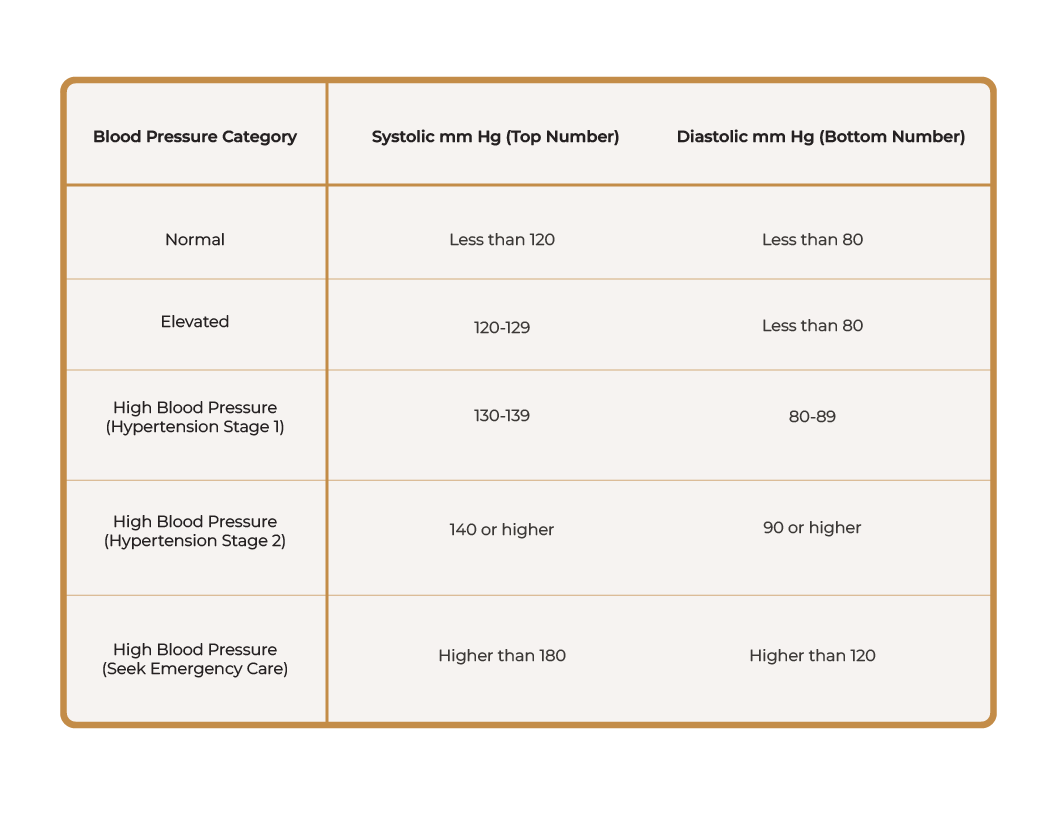
Understanding blood pressure readings is essential for maintaining good health, especially as we age. A blood pressure chart for seniors can help caregivers and elderly individuals determine whether their blood pressure falls within a healthy range.
Since blood pressure targets for older adults may differ slightly from those of younger individuals, it’s important to be aware of these variations.
Standard Blood Pressure Chart for Seniors
Below is a general guideline for blood pressure levels in seniors based on recommendations from health organizations:
Why Monitoring Blood Pressure Is Important
Knowing whether blood pressure is normal, elevated, or high allows seniors and caregivers to take appropriate action. Regular monitoring can help:
- Detect hypertension early before complications arise.
- Prevent heart disease, stroke, and other health risks.
- Guide lifestyle changes or medication adjustments as recommended by a healthcare provider.
What Is An Acceptable Blood Pressure Level for Seniors?
Determining an acceptable blood pressure for the elderly depends on several factors, including overall health, medical history, and individual risk factors.
While general guidelines exist, doctors may adjust targets for seniors to balance the benefits of maintaining lower blood pressure with the potential risks of dizziness and falls.
Recommended Blood Pressure Levels for Seniors
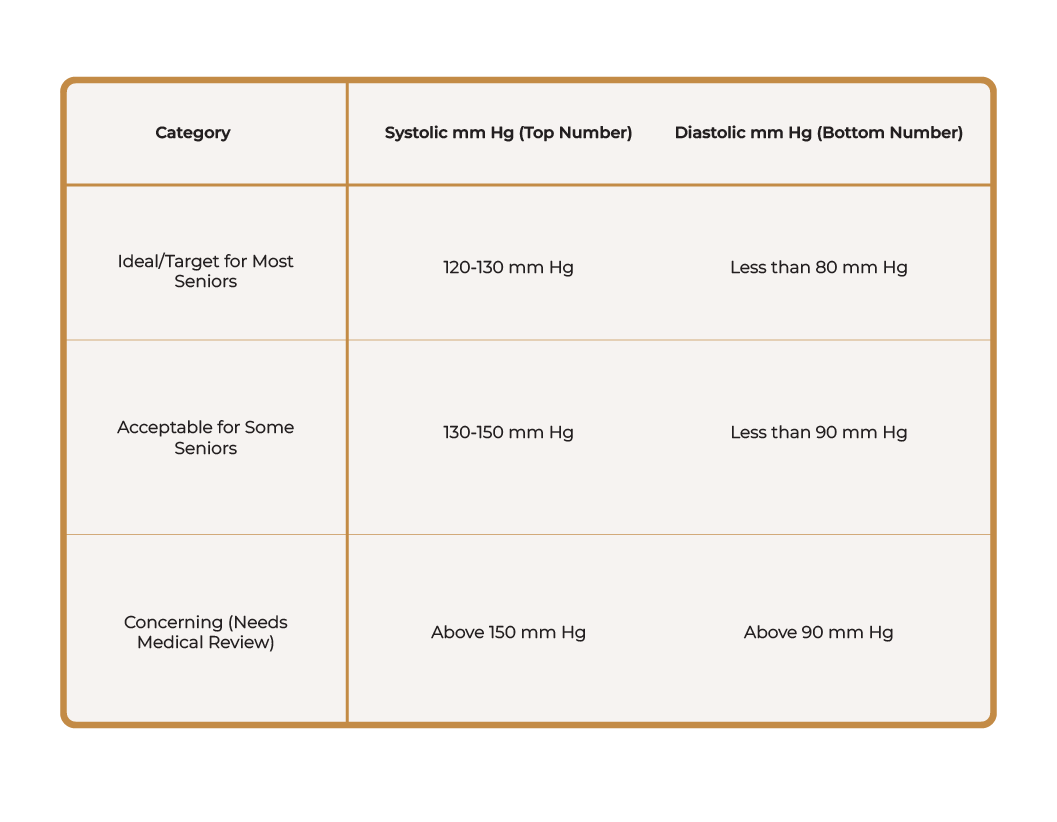
Most health organizations, including the American Heart Association (AHA) and the National Institute on Aging (NIA), suggest that blood pressure for seniors should be below 130/80 mmHg to reduce the risk of heart disease and stroke.
However, some medical experts consider a systolic pressure between 130-150 mmHg to be acceptable for the elderly, particularly in individuals with certain health conditions.
Here’s a general guideline for acceptable blood pressure levels in seniors:
How Health Conditions Affect Blood Pressure Targets
For seniors with chronic conditions, blood pressure targets may need to be adjusted:
- Diabetes: High blood pressure can increase the risk of kidney disease and vision problems. Many doctors recommend a goal of less than 130/80 mmHg for seniors with diabetes.
- Heart Disease: Lowering blood pressure can reduce strain on the heart, but it must be managed carefully to avoid excessive drops that could lead to dizziness or fainting.
- Kidney Disease: Since hypertension can worsen kidney function, doctors may set a stricter goal of below 130/80 mmHg for seniors with kidney issues.
- History of Falls or Dizziness: Seniors prone to falls may be advised to maintain slightly higher blood pressure to prevent lightheadedness.
When to Be Concerned and Seek Medical Advice
Seniors and caregivers should monitor blood pressure regularly and watch for warning signs that may indicate a need for medical attention. Seek immediate medical care if blood pressure readings reach:
- Above 180/120 mmHg (hypertensive crisis) – This is a medical emergency requiring urgent treatment.
- Consistently above 150/90 mmHg – This may indicate poorly controlled hypertension and should be discussed with a doctor.
- Below 90/60 mmHg – This may indicate low blood pressure (hypotension), which can lead to dizziness, fainting, and falls.
Other symptoms that warrant concern include:
- Severe headaches or confusion.
- Chest pain or shortness of breath.
- Sudden dizziness or weakness.
The Takeaway
Maintaining a healthy blood pressure for seniors is a crucial part of aging well and preventing serious health risks such as heart disease, stroke, and kidney problems. Understanding the blood pressure chart and what constitutes as acceptable blood pressure for elderly can help seniors and caregivers take proactive steps toward better heart health. If you or a loved one have concerns about blood pressure, consult a healthcare provider to create a personalized plan for maintaining optimal heart health.